Why Choose Wax Print Fabric for Your Next Fashion Project?
When it comes to fashion design, choosing the right fabric can make all the difference. Wax Print Fabric stands out among various materials. Known for its bold colors and intricate patterns, it holds a significant place in the fashion industry. According to a recent report by the Global Textile Association, the demand for Wax Print Fabric has increased by 35% over the past five years. This striking fabric not only captivates the eye but is also steeped in cultural significance.
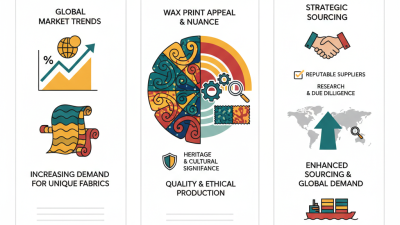
Expert in textile design, Dr. Emmanuelle Dufour, states, "Wax Print Fabric embodies a blend of tradition and innovation." This duality makes it an appealing choice for designers seeking authenticity. However, the challenge lies in sourcing ethically produced materials. It is crucial to understand that not all Wax Print Fabrics are created equal. Some may lack the quality or ethical standards expected in today’s fashion landscape.
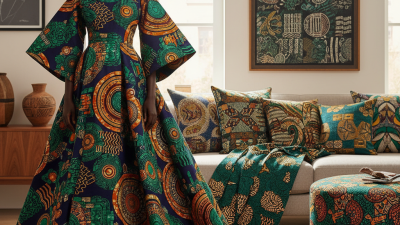
As sustainability becomes essential, designers must reflect on their fabric choices. Wax Print Fabric offers a unique opportunity to embrace sustainability while celebrating heritage. Yet, it requires careful consideration of production processes. Embracing both creativity and responsibility can elevate fashion projects beyond mere aesthetics. Ultimately, selecting the right Wax Print Fabric can enrich a designer’s work, adding depth and meaning to their collections.
Benefits of Using Wax Print Fabric in Fashion Design
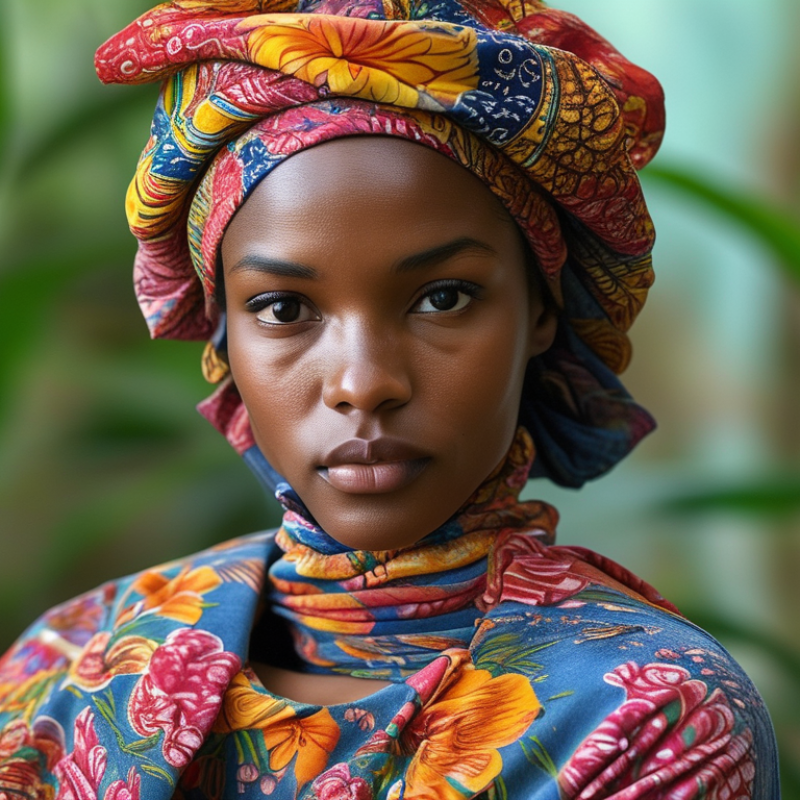
Wax print fabric has gained significant popularity in recent years, particularly within the fashion design industry. This vibrant textile is characterized by its unique patterns and bright colors. Designers often see wax prints as a medium to express cultural identity. According to industry reports, the global demand for wax print fabric has increased by over 20% in the last five years, driven by a resurgence of interest in African artisanal design.
The versatility of wax print fabrics offers numerous benefits for fashion projects. These materials are known for their durability and ease of care. They are resistant to fading, making them suitable for various fashion items. Designers appreciate their adaptability; they can be used for casual wear, formal attire, and even accessories. However, it’s essential to note that sourcing ethical and environmentally friendly wax prints can be a challenge. Some manufacturers focus on mass production, which may compromise quality.
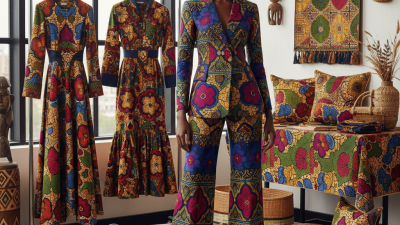
Another factor to consider is the cultural significance of wax prints. Each design carries historical context and meaning. Designers must be mindful of these factors when integrating these fabrics into their collections. Balancing creativity with respect for their origins can elevate the entire design process. As the fashion industry increasingly values sustainability, the choice of fabric can impact the overall narrative of a brand. By choosing wax prints, designers not only enhance their visual storytelling but also contribute to a larger conversation about cultural appreciation in fashion.
Historical Significance of Wax Print Fabrics in Cultural Context
Wax print fabrics hold a profound historical significance in many cultures. Originating from Indonesia, these vibrant textiles traveled to West Africa, transforming into symbols of identity and heritage. Each pattern tells a unique story. The colors and designs often reflect cultural values, local traditions, and social status.
They serve not just as clothing but as a canvas for cultural expression.
The process of creating these fabrics is also noteworthy. Traditional methods involve intricate wax-resist dyeing techniques. This ancient craft showcases skilled artisanship. However, issues surrounding sustainability and authenticity arise. Mass-produced versions often overshadow local artisans. This raises questions about preserving genuine craftsmanship. The connection between these fabrics and their cultural roots is critical. As consumers, it is essential to reflect on what we choose to wear. Engaging with the history of wax prints allows for deeper appreciation. Each fabric carries stories from generations past, inviting us to be mindful of the choices we make in fashion.
Variety of Colors and Patterns in Wax Print Fabric Choices
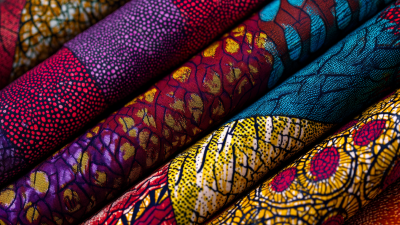
Wax print fabric is renowned for its vibrant colors and intricate patterns. This fabric originates from West Africa and has gained global popularity. Recent reports indicate that the wax print market is expected to grow by 5.5% annually through 2027. This surge is attributed to its unique design versatility.
The patterns range from bold geometric shapes to floral motifs. Designers can enjoy an extensive palette that stimulates creativity. For instance, data shows that color trends influence consumer choices. 70% of fabric buyers prefer dynamic and diverse designs. The endless customization possibilities allow for personalized fashion projects that stand out.
However, some challenges exist. Sourcing authentic wax prints can sometimes be difficult. Variations in quality may affect the final product. Professionals advise caution when selecting fabrics to ensure project success. Embracing these complexities can lead to more innovative and exciting fashion creations.
Sustainable and Ethical Aspects of Wax Print Fabric Production
Wax print fabric holds a special place in the fashion world, not only for its vibrant patterns but also for its sustainable production practices. Many artisans in West Africa use traditional methods, ensuring a low environmental impact. The use of non-toxic dyes and organic cotton contributes positively to local ecosystems. This eco-friendly approach resonates with consumers who prioritize environmental responsibility.
However, the journey of wax print fabric is not without its challenges. With rising demand, some producers may overlook ethical practices. Overworking artisans can lead to unfair wages and unsafe working conditions. This contradiction raises important questions about sustainability. Consumers and designers must insist on transparency from their suppliers to guarantee ethical production.
Investing in wax print fabric invites a deeper understanding of cultural heritage and craftsmanship. Each piece tells a unique story, reflecting the identity of its maker. Supporting this fabric means engaging with communities responsibly. This connection fosters an appreciation for the artisans' artistry and their labor's worth. By making informed choices, we can enjoy the beauty of fashion while upholding ethical standards.
Why Choose Wax Print Fabric for Your Next Fashion Project? - Sustainable and Ethical Aspects of Wax Print Fabric Production
| Aspect |
Description |
Benefits |
| Sustainable Sourcing |
Wax print fabrics are often made from cotton and sometimes sourced from organic farms. |
Supports farmers, reduces chemical usage, and promotes biodiversity. |
| Ethical Labor Practices |
Manufacturers are increasingly adopting fair labor practices in production. |
Ensures fair wages and safe working conditions for workers. |
| Cultural Heritage |
Wax prints are deeply connected to African cultural expression and storytelling. |
Promotes cultural awareness and appreciation in fashion. |
| Durability |
Wax print fabrics are known for their strength and longevity. |
Fewer replacements needed; promotes sustainable fashion choices. |
| Unique Aesthetics |
Characterized by vibrant colors and bold patterns. |
Enhances creativity and originality in fashion designs. |
Tips for Working with Wax Print Fabrics in Your Design Projects
When working with wax print fabrics, it’s important to understand their unique characteristics. These fabrics are vibrant and bold, often showcasing intricate patterns inspired by African culture. The colors are vivid, making them ideal for eye-catching designs. However, the thickness of these fabrics can challenge some sewing machines, requiring adjustments for smooth operation.
Before starting your project, pre-washing the fabric is crucial. This not only removes any finishing chemicals but also prevents color bleeding. Testing a small swatch is essential. Remember, wax prints can shrink, so account for this in your measurements. Using the right needle is key; a universal or ballpoint needle often works best, but you may need to test.
Incorporating wax prints into your design project can present challenges. For instance, the fabric's stiffness can make draping difficult. You might need to pair it with lighter materials to achieve the desired flow. Practice mixing prints and solids to balance the bold designs. Reflect on how different patterns interact; some may clash. Ultimately, working with wax prints can be rewarding if you approach it with patience and creativity.
Wax Print Fabric Popularity by Region