7 Best Thick Polyester Fabrics for Global Buyers?
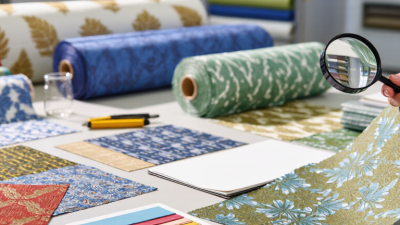
Choosing Thick Polyester Fabric is not simply a matter of selecting the heaviest roll. Global buyers need to match fabric construction with its intended use, climate, care requirements, and target price. Dense upholstery fabric may suit furniture exposed to daily wear, while coated Oxford fabric may work better for bags or outdoor covers. They are not interchangeable. Small details matter. Yarn thickness, weave, finish, and backing can affect stiffness, water resistance, and sewing performance. Weight alone cannot confirm durability, so buyers should request clear specifications and relevant test results from suppliers. A physical swatch can also reveal texture and color under real lighting.
This guide compares seven practical options, including polyester canvas, Oxford fabric, twill, fleece, microfiber, upholstery fabric, and coated polyester. Each offers different trade-offs in softness, structure, maintenance, and cost. Not always obvious. A fabric that feels sturdy in a sample may behave differently across a large production run, especially when finishing methods vary. Buyers should check roll-width tolerance, color consistency, shrinkage, and abrasion data before placing substantial orders. These checks reduce avoidable surprises, but they cannot replace testing under actual use conditions. There is no universal winner; the right choice depends on the product, supplier controls, and expectations for service life.
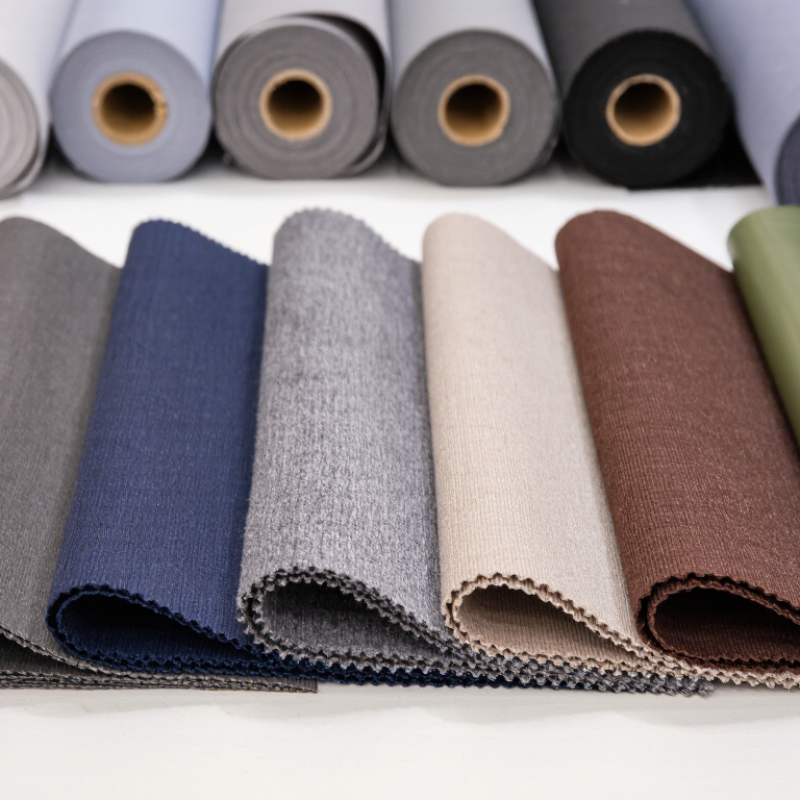
Understanding Thick Polyester Fabric and Its Core Properties
Thick polyester fabric is not defined by thickness alone. Its hand and performance depend on yarn size, weave or knit structure, and finishing. A tightly woven fabric can feel firm without being especially heavy; a brushed surface may feel thicker than its measured thickness. That distinction matters. ASTM D1777 provides a method for measuring textile thickness, while ASTM D3776 measures fabric mass per unit area. Buyers should compare both figures, using consistent test conditions.
Scale matters, too. Textile Exchange’s Materials Market Report 2024 estimated that polyester made up about 57% of global fiber production in 2023. This widespread use does not make every polyester fabric interchangeable. Higher fabric weight may support a more substantial feel, but it does not automatically mean greater abrasion resistance or longer service life. Ask suppliers for construction details and relevant test results, then inspect a sample under real use conditions. Feel the fabric, bend it, and check how it recovers. A specification sheet helps, but it cannot fully describe the fabric in your hand. I would not judge thickness from weight alone.
How Global Buyers Can Assess Weight, Weave, and Performance
7 Best Thick Polyester Fabrics for Global Buyers?
Textile Exchange’s Materials Market Report 2024 estimates global fiber production reached 124 million tonnes in 2023, with polyester representing about 57%. That scale makes careful specification essential. Start with fabric weight in grams per square metre (GSM), but compare samples tested by the same method, such as ASTM D3776. A higher GSM can mean more substance, not necessarily greater durability. A heavy sample can still disappoint.
Weave and construction reveal more. Oxford and canvas fabrics often feel structured; twill may drape more easily, while fleece and knitted polyester offer softness and stretch. Satin-faced cloth can look smooth but may snag more readily. Ask suppliers for composition, GSM tolerance, yarn details, and test results for abrasion or tensile strength. ASTM D4966 and D5034 are commonly used abrasion and tensile test methods. Check whether reported results match the intended end use. A fabric for a padded bag needs different performance from one for workwear. Samples also deserve handling: rub a seam, bend the cloth, and inspect its reverse. Small differences matter.
Tips: Request a cut sample and test it under realistic conditions. Compare color, coating, and hand feel after washing. Keep one question open: does the extra weight solve a real performance need?
Seven Thick Polyester Fabric Types and Their Common Uses
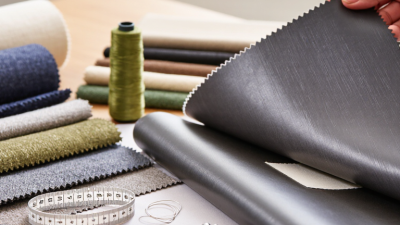
Thick polyester fabrics differ in weave, surface, and structure, so match the fabric to the job. Heavy Oxford polyester has a basket-like weave and suits bags, covers, and outdoor cushions. Polyester canvas feels firm and works well for tote bags, aprons, and sturdy upholstery. Fleece traps warmth, making it useful for blankets, jackets, and soft linings. Polyester velvet adds a plush finish to cushions and curtains. Upholstery-grade polyester often has a dense weave for sofas and dining chairs. Ripstop polyester uses a grid-like reinforcement for luggage, tents, and protective covers. Thick polyester felt is nonwoven and useful for craft projects, padding, and sound-softening panels. These categories can overlap. A coated Oxford fabric, for example, may feel quite different from an uncoated one.
Tips: Check weight, thickness, and fabric construction together. Ask for a sample. Scrunch it, bend it, and inspect the reverse side. For seating or bags, test seams and abrasion performance when data is available. A heavier fabric is not automatically more durable; coatings and stitching matter too.
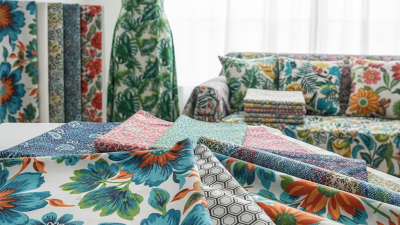
Before ordering, confirm the intended use, width, color consistency, and care instructions with the supplier. For upholstery, feel a sample against bare skin; some dense fabrics feel stiff at first. For curtains, check how the material drapes and blocks light. Small sample pieces can be misleading, though, so assess several areas when possible. That step takes time, but it can prevent an expensive mismatch.
Comparing Durability, Cost, Care, and Application Suitability
For global buyers, “thick polyester” covers several very different fabrics. Heavy Oxford and polyester canvas offer dense, stable surfaces for bags, covers, and workwear. Ripstop adds a grid that can limit tear spread, while upholstery-grade woven polyester suits cushions and seating. These constructions often cost more than basic polyester jersey, especially when coated or tightly woven. No single winner.
Fleece feels warm and soft, but can pill; microfiber is smooth and useful for linings or cleaning cloths, yet may snag under rough use. Heavy polyester knit stretches comfortably for apparel, though it may lose shape sooner than a firm woven fabric. The right choice depends on the job. A fabric swatch under rubbing and repeated washing can reveal more than thickness alone.
Textile Exchange’s Materials Market Report 2024 estimates global fiber production reached 124 million tonnes in 2023, with polyester representing about 57%. That scale supports broad availability, but it does not prove every polyester fabric performs alike. Ask suppliers for fabric weight, construction, coating details, and test results. For abrasion, request a recognized method such as ASTM D4966; compare results only when test conditions match. Most options are easy to care for with cool washing and low heat, but coatings and finishes can change the instructions. Small detail, big difference.
7 Best Thick Polyester Fabrics for Global Buyers
Comparing typical fabric weight, durability, cost, care, and application suitability.
Weight ranges are indicative commercial ranges in grams per square metre (g/m²), not fixed specifications. Actual weight varies with construction, finish, and supplier.
| Fabric type |
Durability |
Relative cost |
Care |
Suitable applications |
| 600D Oxford | Good everyday abrasion resistance | Low–moderate | Wipe clean; follow coating instructions | Bags, covers, outdoor accessories |
| 1000D Oxford | High abrasion and tear resistance | Moderate–high | Wipe clean; check coating instructions | Heavy-duty bags, equipment covers |
| Polyester canvas | Good abrasion resistance | Moderate | Often washable; check finish and care label | Totes, soft furnishings, utility covers |
| Polyester upholstery fabric | Good for repeated use; varies by weave | Moderate–high | Spot clean or follow upholstery instructions | Furniture, cushions, panels |
| Polar fleece | Moderate; may pill with friction | Low–moderate | Usually machine washable; avoid high heat | Blankets, jackets, linings |
| Sherpa fleece | Moderate; pile can mat with wear | Moderate | Gentle wash; check care label | Warm linings, throws, outerwear |
| Polyester felt | Does not fray easily; can compress | Low–moderate | Spot clean; washing depends on construction | Padding, crafts, acoustic and protective panels |
Best choice depends on the end use: compare construction, coating, abrasion test results, and care requirements—not weight alone.
How to Source and Verify Thick Polyester Fabric Globally
How to Source and Verify Thick Polyester Fabric Globally
Thick polyester is not a complete specification. A 400 GSM fabric can feel firm, soft, or bulky depending on yarn size, weave, and finishing. Textile Exchange’s Materials Market Report 2024 estimates that polyester made up 57% of global fiber production in 2023, underscoring the scale—and variety—of supply. Ask suppliers for composition, finished GSM, usable width, thickness, construction, and recycled-content documentation where relevant. Compare the same specification across quotations; “heavyweight” alone is too vague.
Request a production-lot sample, not only a showroom swatch. Test fabric mass under ISO 3801, thickness under ISO 5084, and abrasion resistance under ISO 12947. For load-bearing uses, add a tensile-strength test and agree on acceptance limits before ordering. Check shade, coating, and hand feel after the intended care process, too. A certificate is useful, but it does not prove every roll matches it. No checklist removes every risk.
Tips: Measure several points across the roll. Record results, take clear photos, and keep a sealed reference swatch. Confirm who pays for independent testing and how rejected goods are handled. One sourcing blind spot is assuming thicker always means more durable. It may simply mean heavier.